ChemBioTubeChemBioTube
HomeToolsBiologyChemistryBlogAbout
ChemBioTubeChemBioTube

Free online biochemistry and chemistry tools — fast, accurate, browser-based.

Biology ToolsDNA Reverse ComplementGC Content CalculatorPrimer Tm CalculatorProtein Molecular WeightAll biology tools →
Chemistry ToolsMolar Mass CalculatorMolarity CalculatorpH CalculatorPeriodic TableEquation BalancerAll chemistry tools →
AppsGeneFlowProteinFlowChemLabDNAMelody

© 2026 ChemBioTube. All rights reserved.

Privacy PolicyTerms of Servicesupport@chembiotube.com

Blog - Guides, Tips & News

Read the latest biochemistry tool guides, tips, walkthroughs, and news on ChemBioTube. Master DNA, RNA, and protein analysis tools with in-depth articles.

AllGuideArticleNews

23 articles

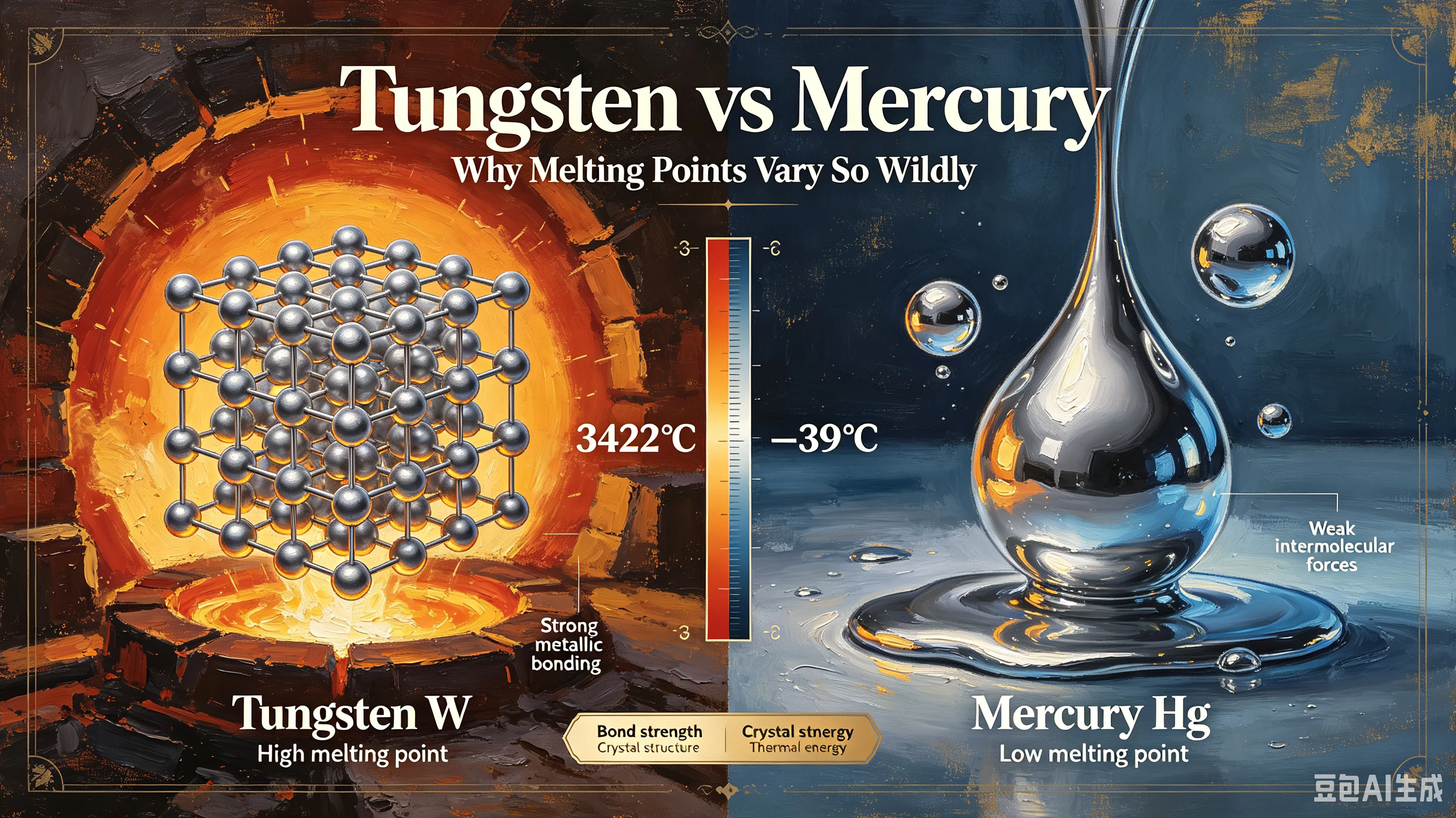
Tungsten vs Mercury: Why Melting Points Vary So Wildly
Article9 min read
Tungsten vs Mercury: Why Melting Points Vary So Wildly

Tungsten melts at 3,422°C while mercury melts at -39°C — a 3,461°C gap between two metals in the same period. Learn how electron configuration, d-orbital bonding, and relativistic effects explain the wildest melting point contrast in the periodic table. Interactive melting point heatmap included.

Sep 14, 2026
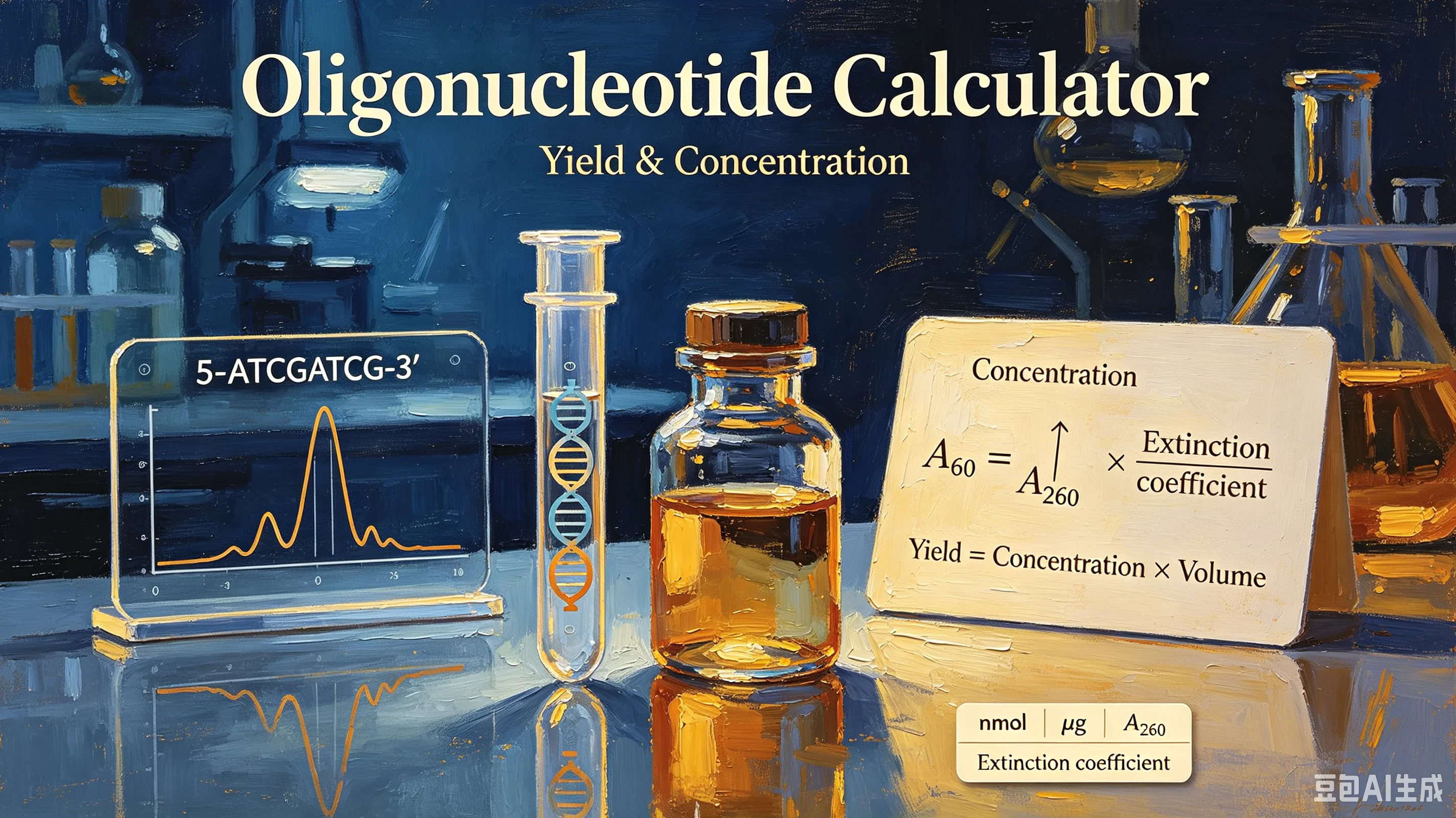
Oligonucleotide Calculator: Yield & Concentration
Article10 min read
Oligonucleotide Calculator: Yield & Concentration

Calculate oligo concentration from OD260, yield in nmol and μg, molecular weight, and resuspension volume. Covers extinction coefficients, the 33 μg/mL rule, nearest-neighbor vs. base-sum methods, and primer dilution for PCR. Free oligo calculator included.

Sep 13, 2026
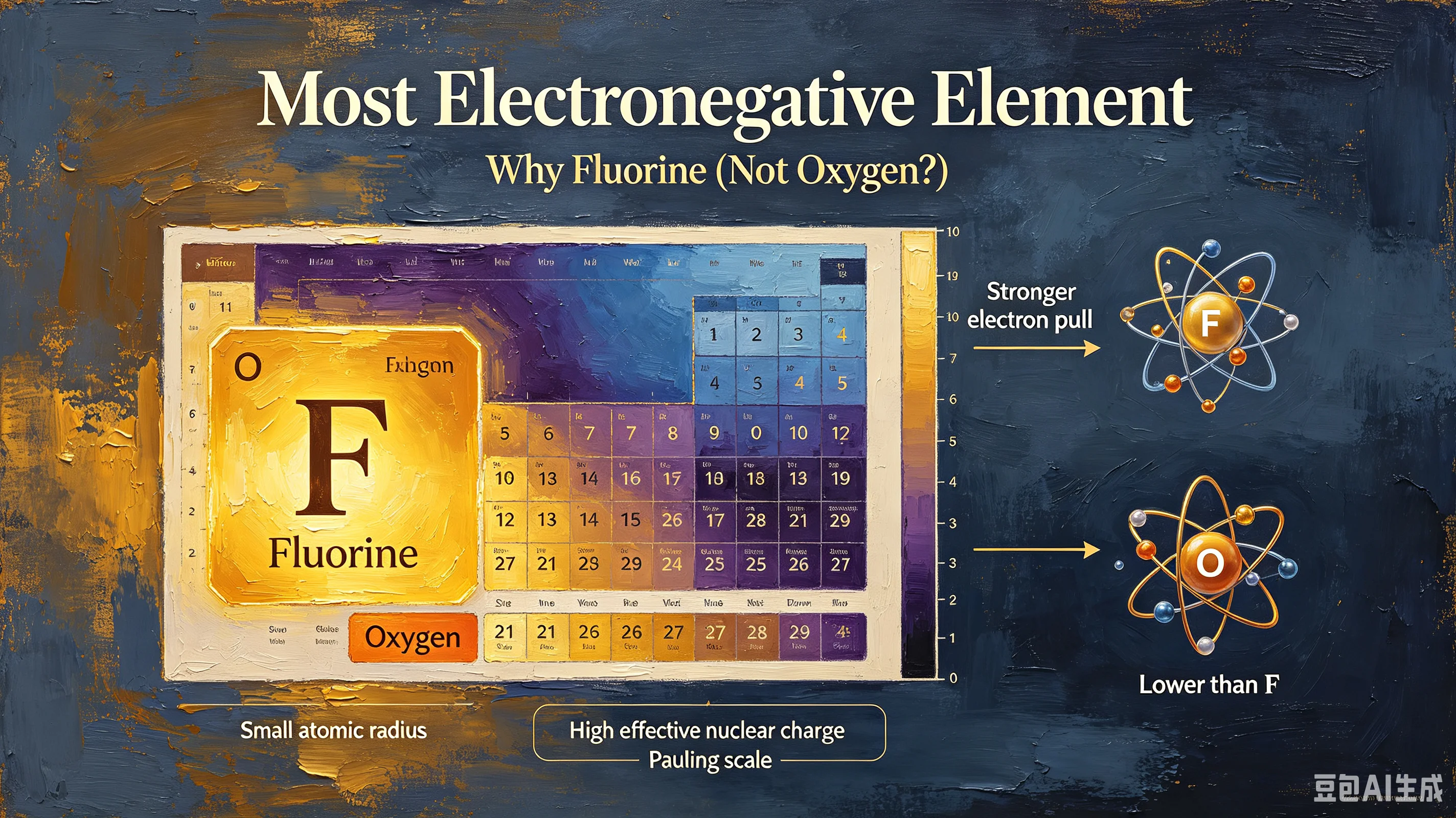
Most Electronegative Element: Why Fluorine (Not Oxygen?)
Article9 min read

Fluorine is the most electronegative element (3.98 Pauling), not oxygen (3.44). Learn why fluorine beats oxygen on the periodic table, the chemistry of F's extreme electron greed, and the top 10 most electronegative elements ranked. Interactive electronegativity heatmap included.

Sep 12, 2026
Article10 min read

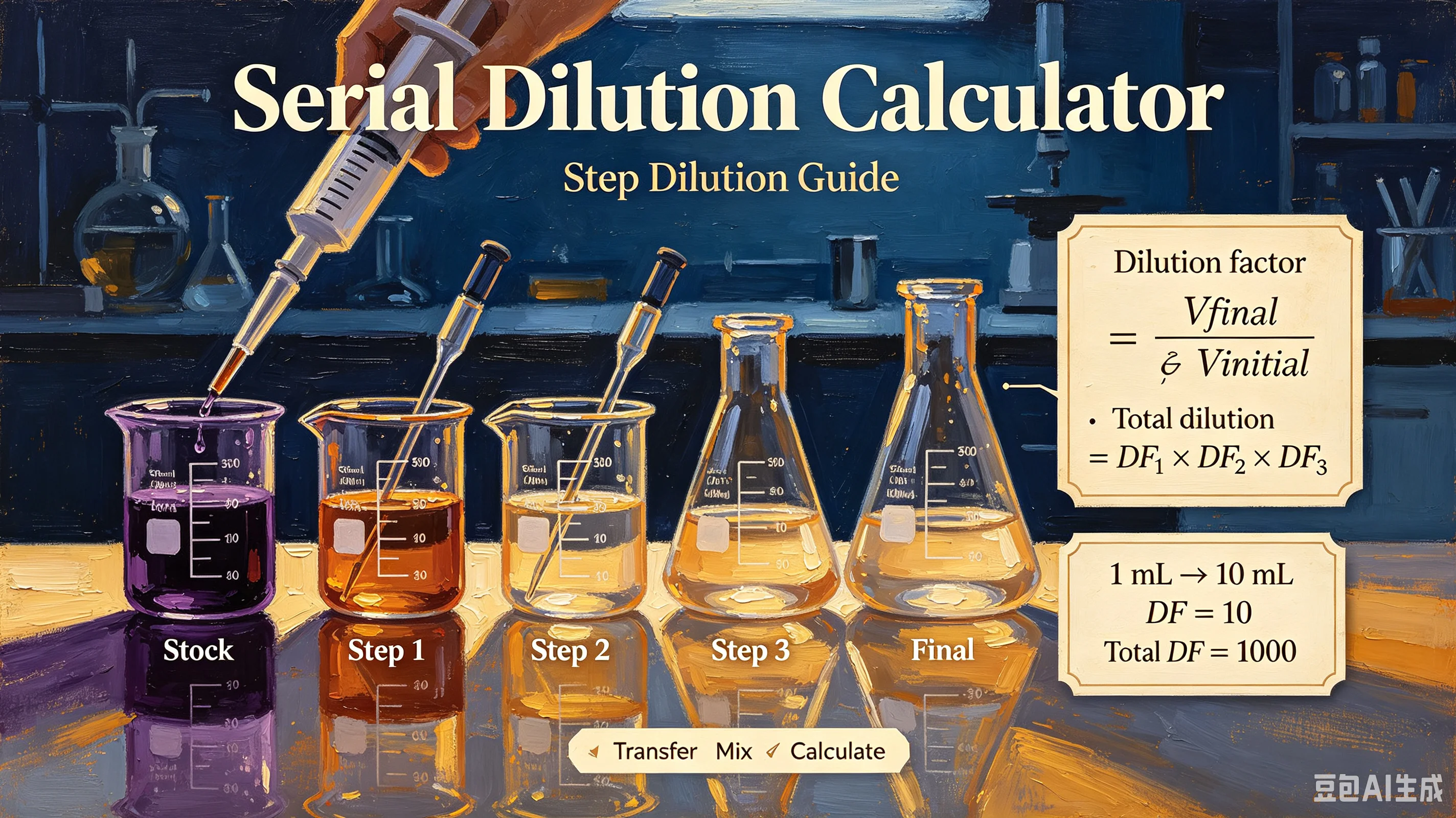
Serial dilution multiplies small dilution steps to reach very low concentrations. Learn the formula, step-by-step protocol, dilution factor math, and applications in CFU counting, ELISA, and MIC assays. Free calculator with dilution series generator included.

Sep 11, 2026
Article8 min read

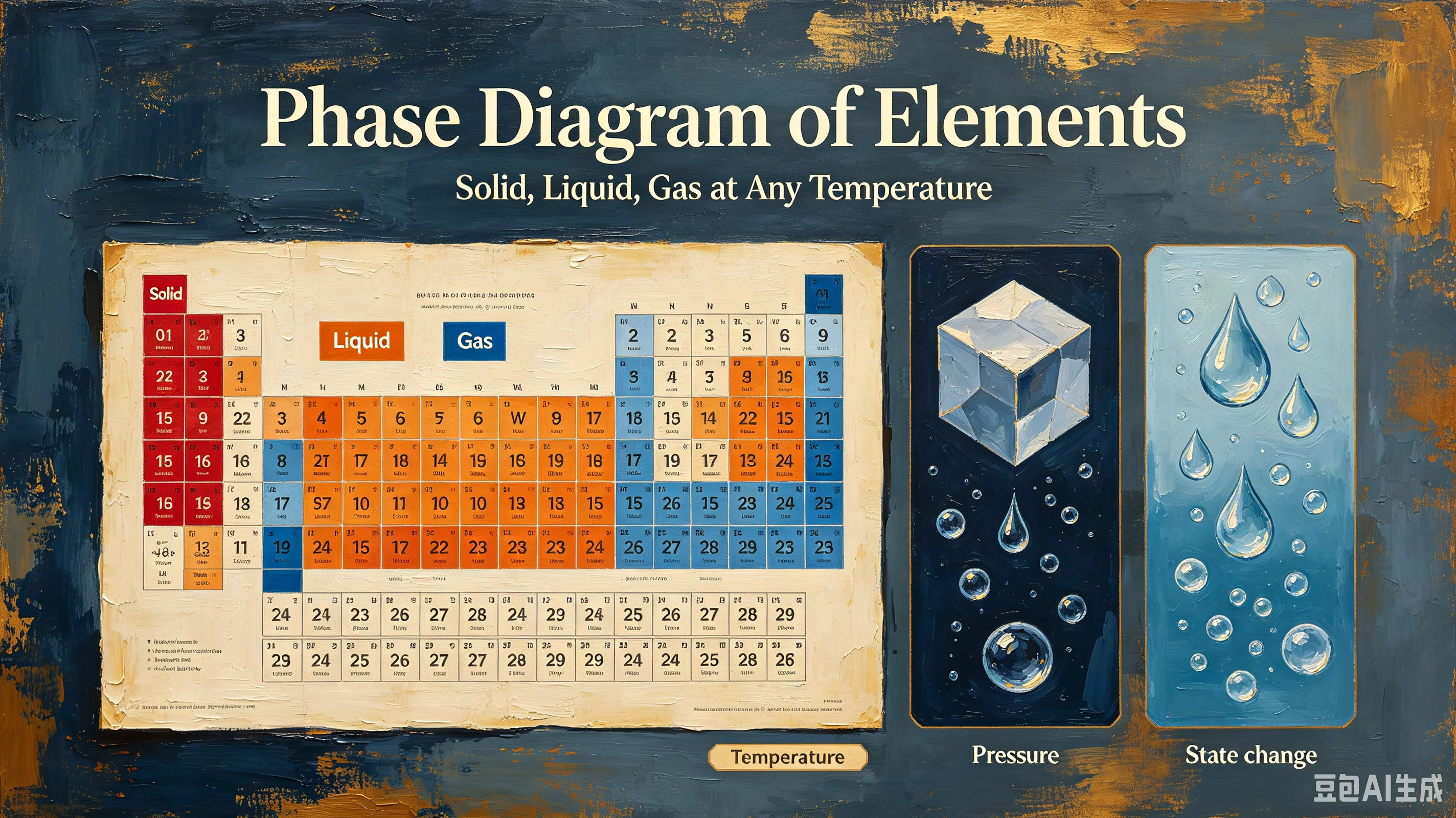
Every element has a phase diagram mapping solid, liquid, and gas states across temperature and pressure. Explore melting points, boiling points, triple points, and sublimation with an interactive temperature slider. Covers carbon, helium, mercury, and all 118 elements.

Sep 11, 2026
Article8 min read

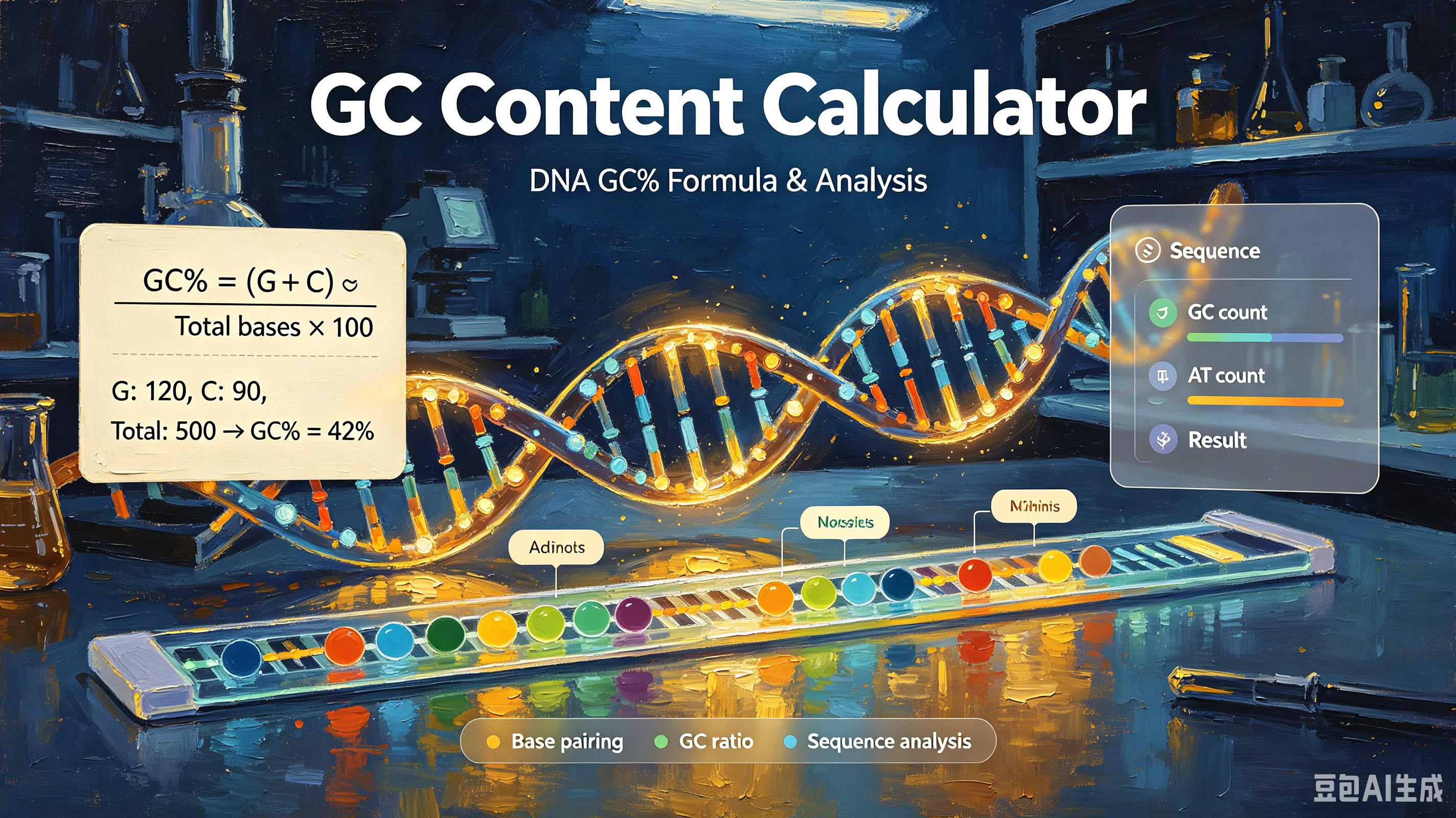
Calculate GC content of any DNA sequence with the simple formula GC% = (G+C)/(A+T+G+C) × 100. Learn why GC% matters for PCR, sequencing, and primer design, plus typical GC ranges across organisms. Free calculator included.

Sep 10, 2026
Article8 min read

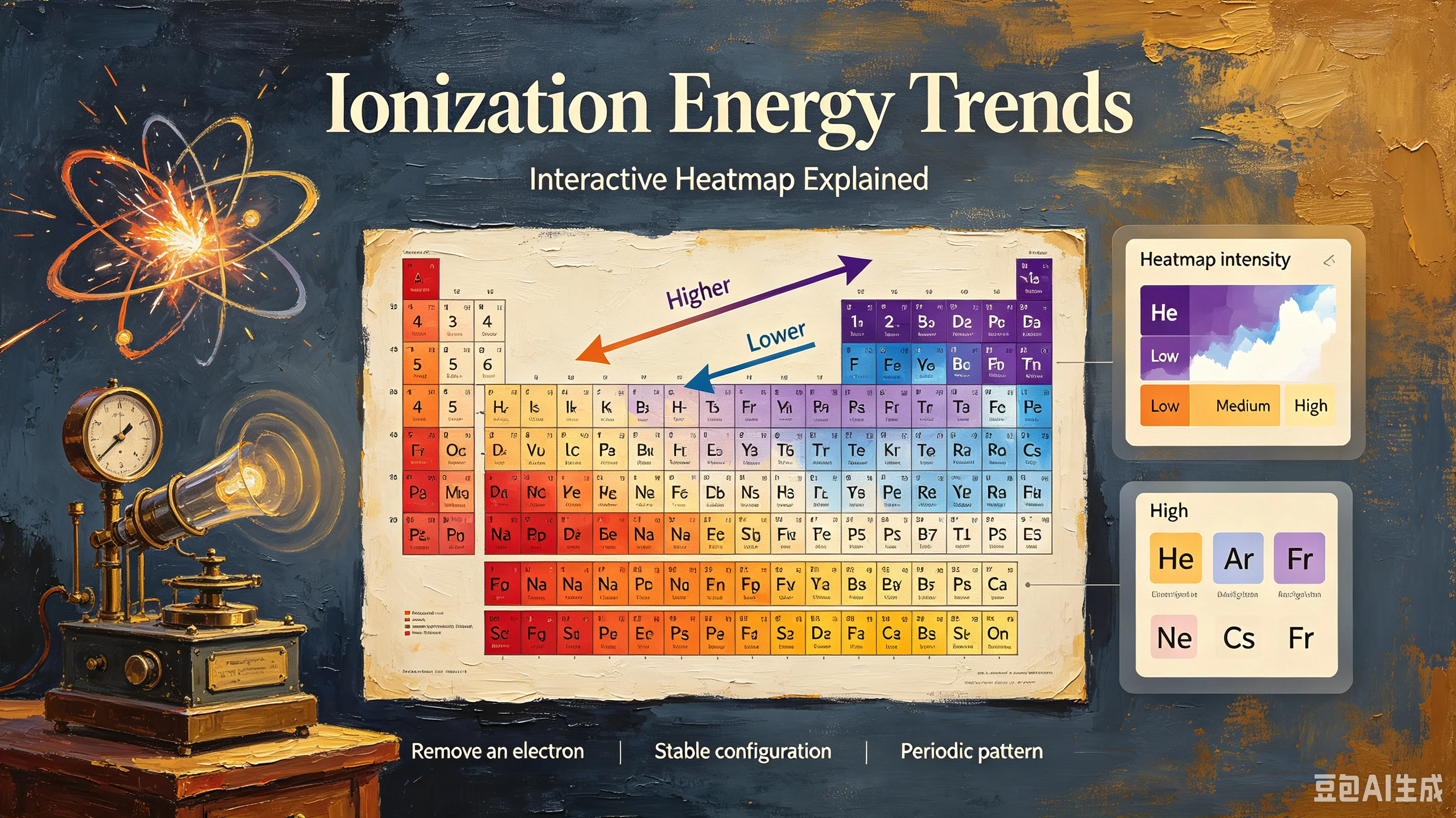
Ionization energy increases across a period and decreases down a group — but with key exceptions. Learn why N > O and Be > B, what causes the giant jump between first and second ionization energy, and visualize all 118 elements on an interactive heatmap.

Sep 10, 2026
Article7 min read

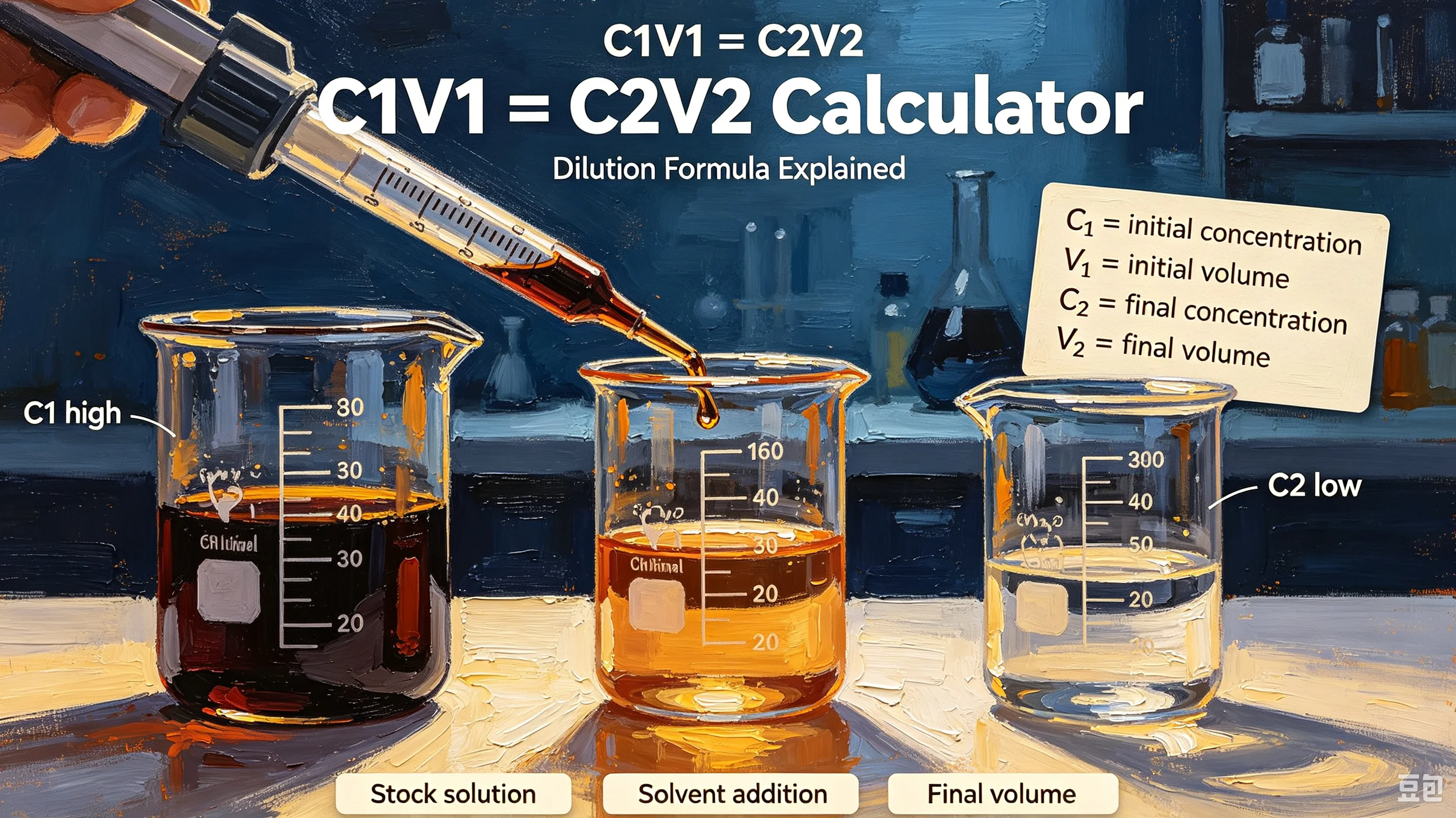
The C1V1 = C2V2 dilution formula lets you calculate how much stock solution to use. Learn the equation, step-by-step method, unit conversions, and worked examples for lab dilutions. Free calculator included.

Sep 9, 2026
Article6 min read

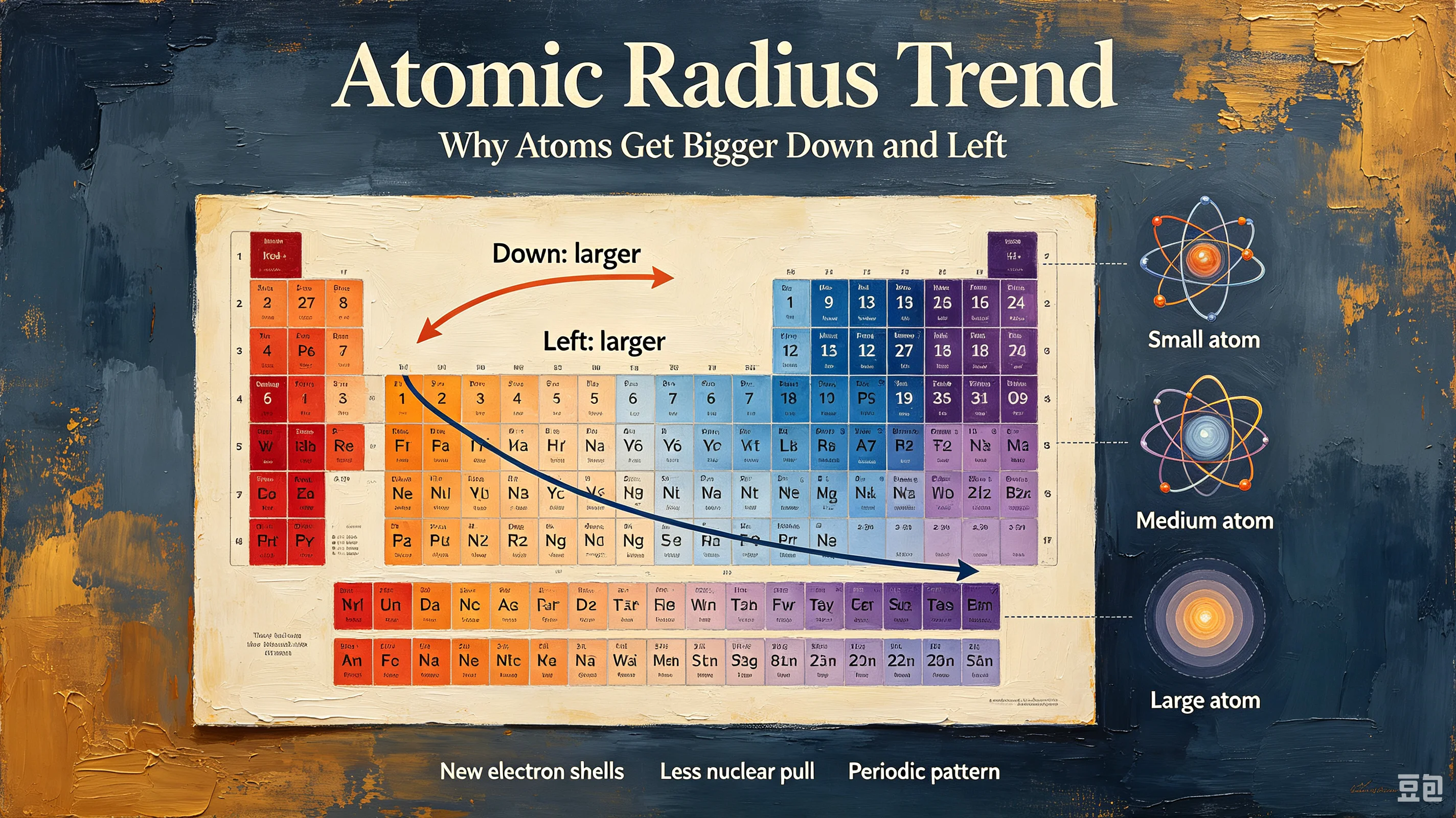
Atomic radius increases down a group and decreases across a period. Learn why effective nuclear charge and electron shells drive this trend, plus key exceptions like gallium and the lanthanide contraction. Interactive heatmap included.

Sep 9, 2026
Article6 min read

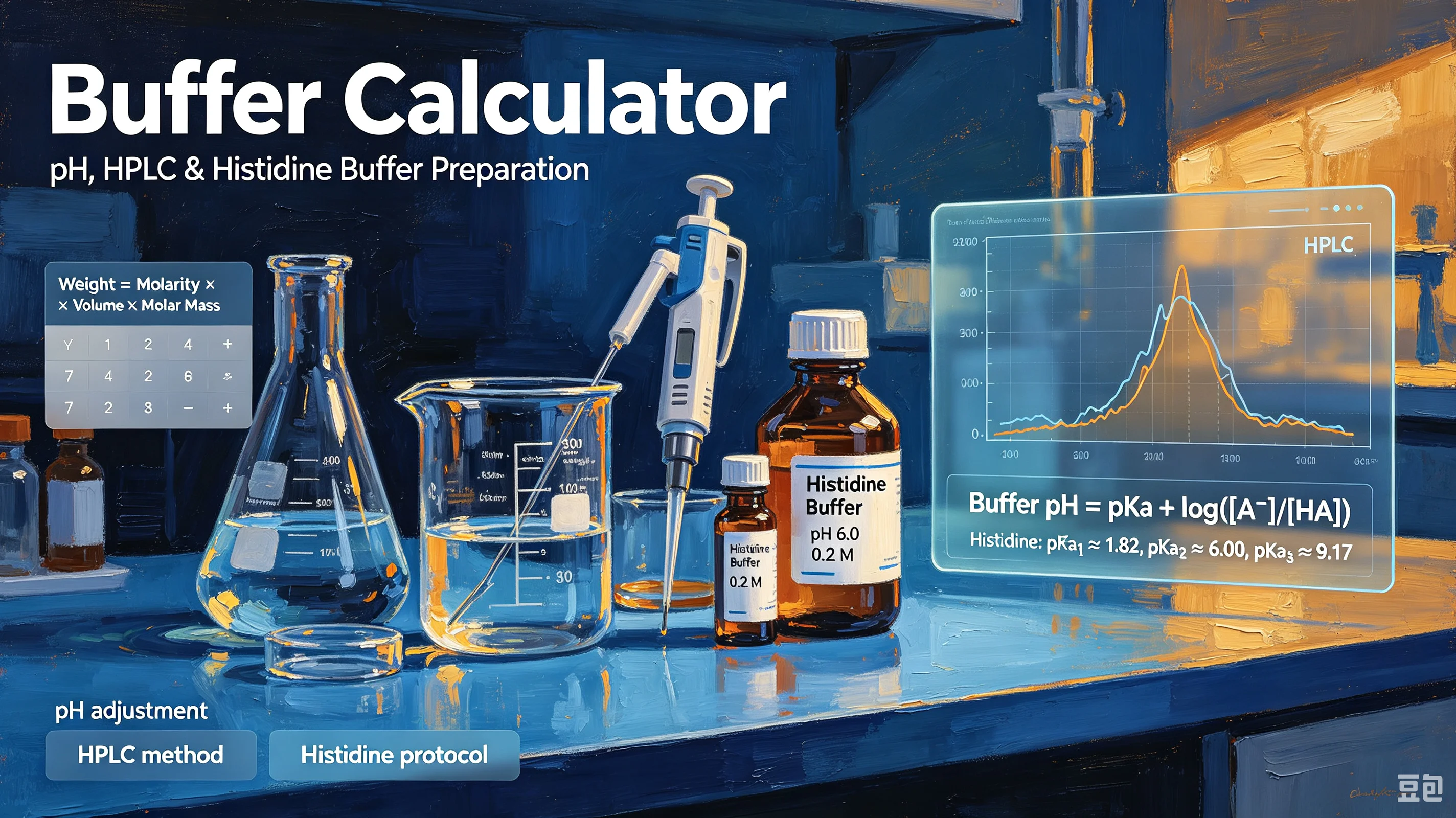
Calculate buffer pH and recipe with the Henderson-Hasselbalch equation. Covers Tris, PBS, histidine, and HPLC mobile phase buffers. Step-by-step preparation guide with common mistakes to avoid. Free calculator included.

Sep 8, 2026
Article5 min read

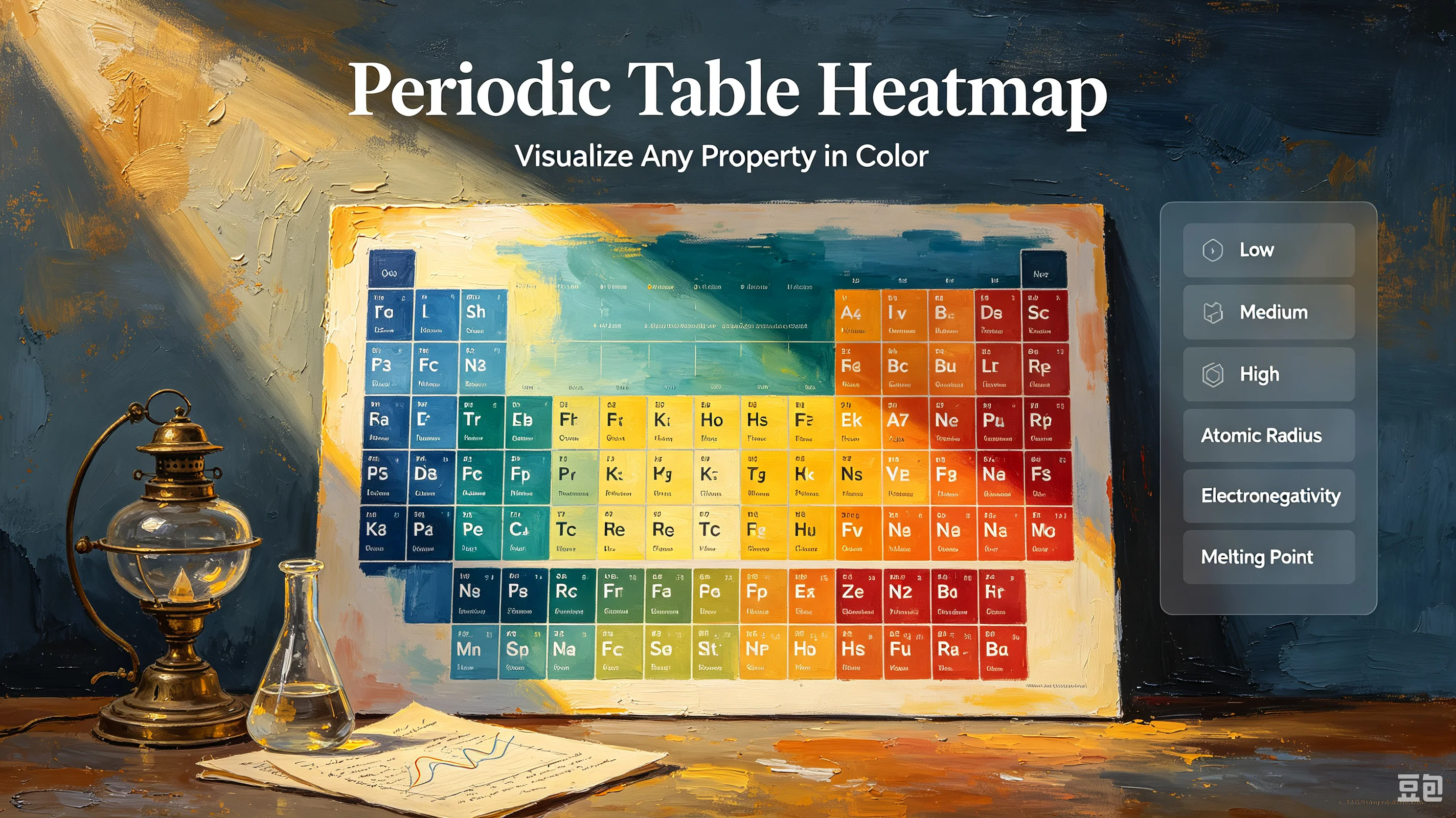
Turn element data into color. A periodic table heatmap lets you visualize electronegativity, atomic radius, melting point, ionization energy, and more as instant color gradients. Learn how to read trends at a glance.

Sep 8, 2026
Article6 min read

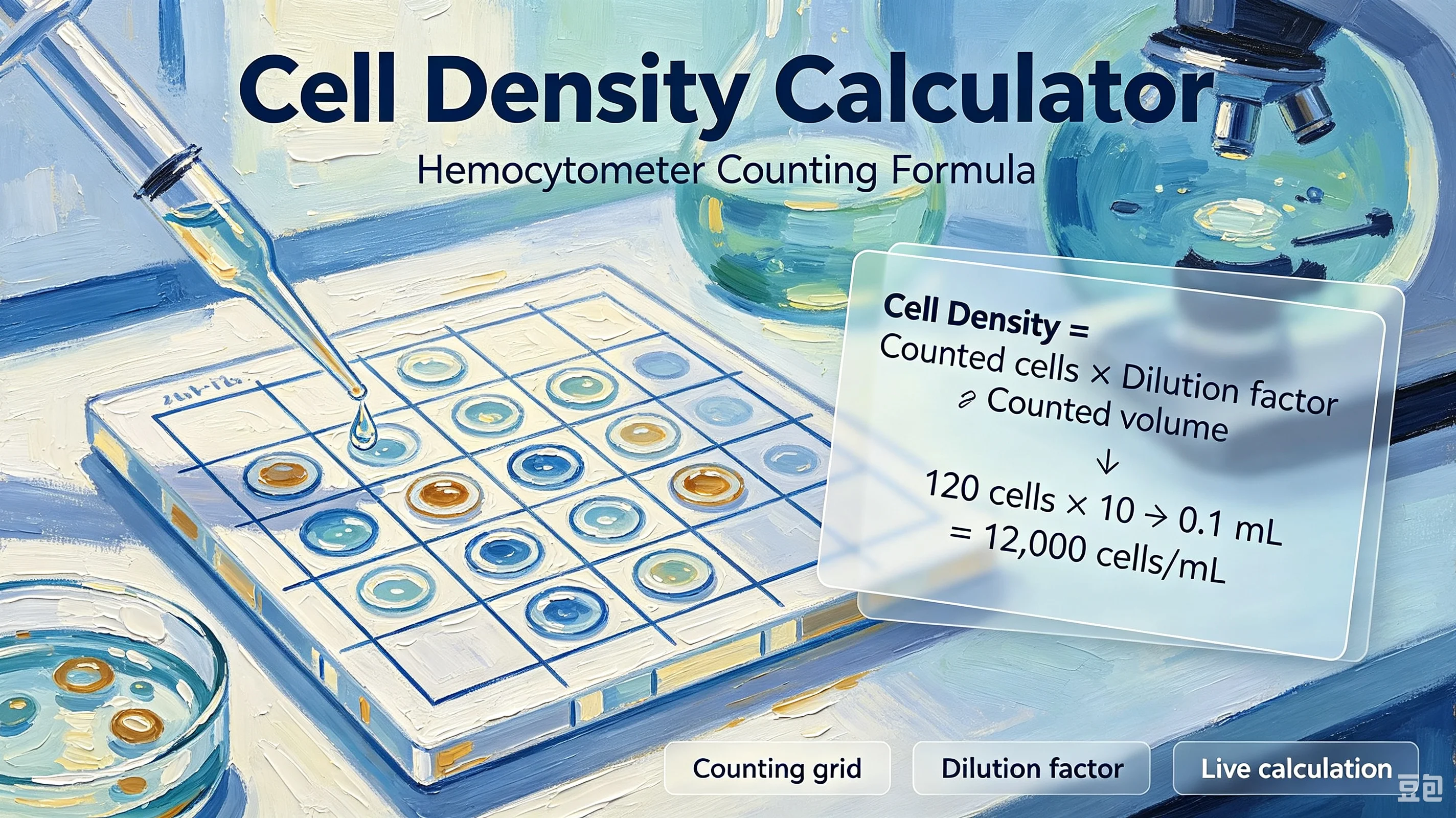
Calculate cell density from a hemocytometer with the correct formula. Step-by-step counting protocol, dilution factor math, trypan blue viability, and common mistakes to avoid. Free calculator included.

Sep 7, 2026
12

Recent articles

Most Electronegative Element: Why Fluorine (Not Oxygen?)
Serial Dilution Calculator: Step Dilution Guide
Phase Diagram of Elements: Solid, Liquid, Gas at Any Temperature
GC Content Calculator: DNA GC% Formula & Analysis
Ionization Energy Trends: Interactive Heatmap Explained
C1V1 = C2V2 Calculator: Dilution Formula Explained
Atomic Radius Trend: Why Atoms Get Bigger Down and Left
Buffer Calculator: pH, HPLC & Histidine Buffer Preparation
Periodic Table Heatmap: Visualize Any Property in Color
Cell Density Calculator: Hemocytometer Counting Formula

Tungsten vs Mercury: Why Melting Points Vary So Wildly

Sep 14, 2026

Oligonucleotide Calculator: Yield & Concentration

Sep 13, 2026

Most Electronegative Element: Why Fluorine (Not Oxygen?)

Sep 12, 2026

Serial Dilution Calculator: Step Dilution Guide

Sep 11, 2026

Phase Diagram of Elements: Solid, Liquid, Gas at Any Temperature

Sep 11, 2026